


How To Increase Your Average Fuel Economy
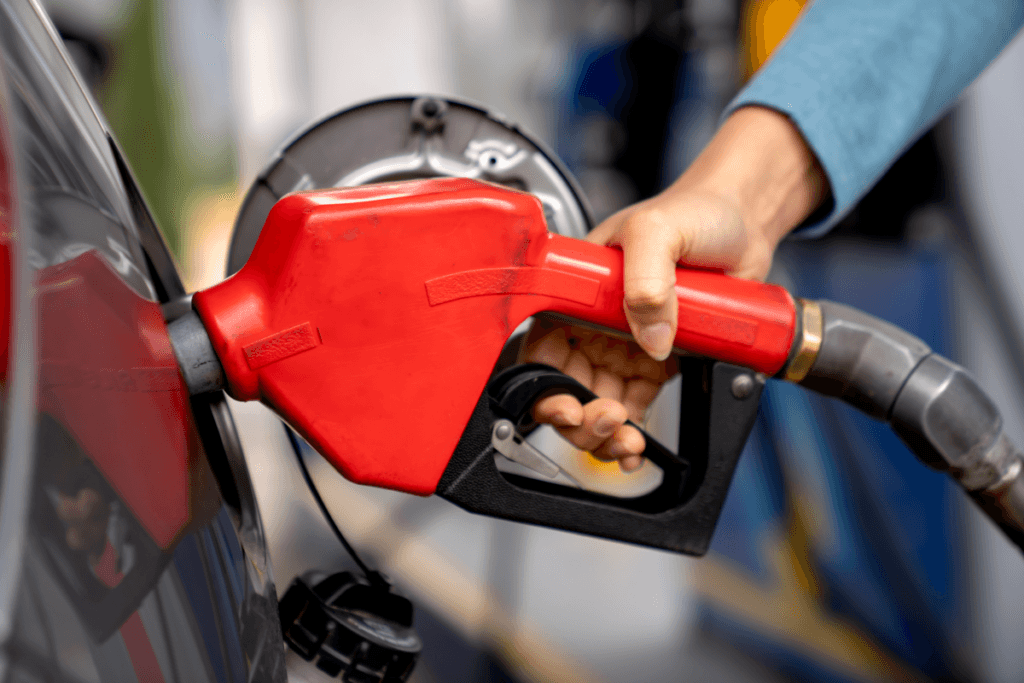
At Hendrick Honda, we’re here to support your journey—whether you’re commuting around Charlotte, visiting family in Matthews, or exploring nearby Fort Mill, SC. Improving your vehicle’s fuel economy not only helps save money at the pump, but it also contributes to reducing emissions and protecting our community’s environment. If you’re wondering how to get the most miles per gallon (MPG) out of your Honda, you’ve come to the right place.
Table of Contents
- Increasing Your Engine MPG: Essential Maintenance and Care
- Maximizing Fuel Economy through Driving Habits and Vehicle Preparation
- Maintenance Practices That Boost Your MPG
- Common Factors That Waste Fuel and How to Avoid Them
- Practical Driving Tips That Increase Your MPG
Increasing Your Engine MPG: Essential Maintenance and Care
Your engine’s performance is the heart of your fuel economy. When it’s running efficiently, you benefit from better MPG, lower emissions, and a more reliable vehicle. At Hendrick Honda, we recommend a few key maintenance tasks that Charlotte drivers often find make a significant difference in their fuel consumption.
One of the simplest ways to boost your engine’s MPG is by replacing clogged or dirty air filters. A clean air filter ensures the engine receives the right amount of clean air, optimizing fuel combustion. In dusty areas or during pollen season, these filters may need more frequent replacement. Additionally, worn spark plugs can cause inconsistent combustion, wasting fuel and reducing power. Regular inspection and replacement with Honda-approved spark plugs help maintain smooth engine operation.
Using the correct grade of engine oil is another critical factor. Our technicians at Hendrick Honda can ensure your vehicle receives the recommended oil with additives that reduce engine friction, further improving fuel efficiency. Don’t forget, regular oil changes and tune-ups preserve engine health and keep your Honda ready for the road ahead.
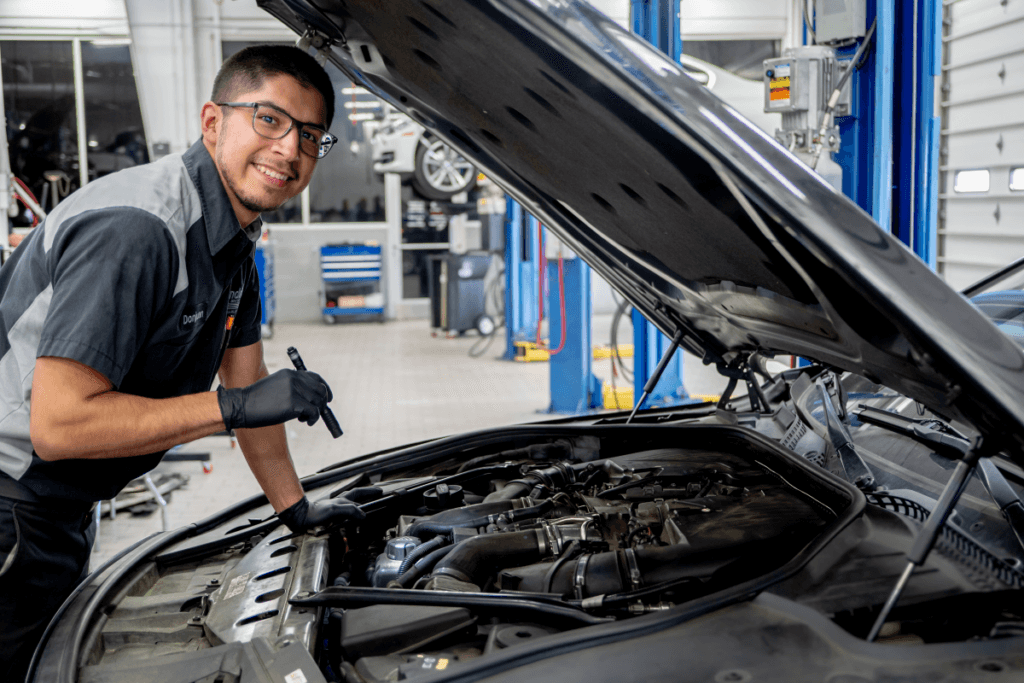
For those looking to keep their vehicle in top shape, our Service Department is ready to assist. Schedule your next maintenance appointment easily through our Schedule Service tool. We use only genuine parts from the Honda Parts Center to ensure quality and reliability.
Maximizing Fuel Economy through Driving Habits and Vehicle Preparation
Fuel efficiency goes beyond maintenance—it also depends heavily on how you drive and prepare your vehicle. Drivers from Concord to Rock Hill can benefit from mindful habits that reduce fuel consumption over time.
First, reducing the weight your vehicle carries can make a notable difference. Every 50 pounds of extra weight can decrease fuel efficiency by approximately 2%. Clearing out unnecessary cargo from your trunk or rear seats, and removing roof racks or bike carriers when not in use, lessens the load and improves your MPG. This tip is particularly useful for those living in areas where weekend trips might tempt you to pack extra gear.
Aerodynamics play a key role as well. Driving with windows down at high speeds increases drag, forcing your engine to work harder. At speeds above 45 mph, using air conditioning is generally more fuel-efficient than open windows because it reduces aerodynamic resistance, balancing power consumption. However, at lower speeds, it’s better to open windows to save that extra fuel.
Planning your trips to avoid heavy traffic and combining errands into one journey also help reduce fuel usage. Short trips with frequent stops cause your engine to consume more fuel as it must accelerate repeatedly. For drivers commuting from Gastonia or Belmont, optimizing your route with navigation apps or timing your drives to avoid rush hour can contribute to better mileage.
Maintenance Practices That Boost Your MPG
Keeping your Honda in excellent mechanical condition is fundamental to maximizing fuel economy. Our Charlotte-area community relies on regular upkeep to ensure their vehicles perform efficiently day after day.
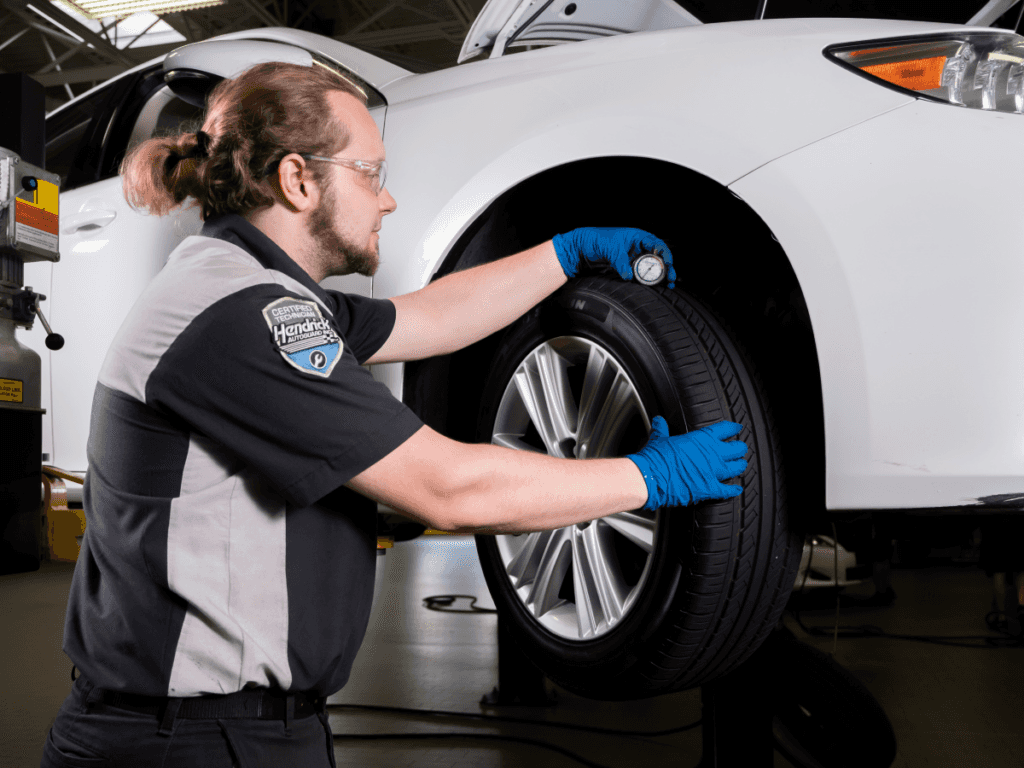
One commonly overlooked maintenance task is ensuring your tires are properly inflated. Underinflated tires increase rolling resistance, making your engine work harder and reducing fuel economy by up to 6%. Checking tire pressure monthly, especially before long drives, helps maintain optimal performance and safety. Your vehicle’s recommended pressure levels can be found in the owner’s manual or on the door jamb.
Another maintenance essential is inspecting your gas cap. A loose or damaged gas cap allows fuel vapors to escape, decreasing fuel efficiency and potentially triggering the check engine light. Replacing your gas cap every few years ensures a tight seal and protects your fuel system.
Regularly changing spark plugs, air filters, and engine oil as per Honda’s service schedule keeps your car running smoothly. These components affect combustion efficiency, so neglecting them can lead to higher fuel consumption. At Hendrick Honda, we offer service specials and expert care to keep your vehicle in top condition—visit our Honda Service Center for details.
Common Factors That Waste Fuel and How to Avoid Them
Understanding what wastes fuel helps you avoid habits and conditions that lower your car’s MPG. Across Charlotte and surrounding cities like Rock Hill and Fort Mill, SC, many drivers unknowingly reduce their fuel economy through certain behaviors.
Aggressive driving, including rapid acceleration and sudden braking, can increase fuel consumption by up to 40%. This “jackrabbit” style requires more power from your engine, consuming more fuel and producing extra emissions. Smooth acceleration and gradual braking lead to better fuel economy and a more comfortable ride.
Speed also plays a critical role. Driving faster than 65 mph causes your vehicle to fight greater air resistance, increasing fuel use by approximately 15-25%. On Charlotte’s highways and interstates, maintaining speed limits and using cruise control on flat stretches can improve your MPG by 10-15%.
Idling wastes fuel unnecessarily. If you’re waiting longer than 30 seconds, such as during school pickups, it’s more fuel-efficient to turn off your engine. Modern Hondas equipped with stop-start technology excel at reducing fuel waste during stops.
Additionally, driving with underinflated tires or carrying unnecessary weight are common culprits. Even small maintenance issues like misfiring spark plugs or faulty sensors can reduce efficiency significantly. If you notice your gas mileage dropping, consider a thorough inspection at Hendrick Honda’s service department.
Practical Driving Tips That Increase Your MPG
Combining good maintenance with smart driving habits provides the best results for improving fuel economy. Here are practical tips you can apply daily in and around Charlotte.
- Accelerate gently and avoid hard braking to prevent wasteful fuel bursts.
- Use cruise control on highways to maintain a steady speed and reduce unnecessary acceleration.
- Plan routes ahead to avoid traffic congestion and reduce stop-and-go driving.
- Turn off accessories like heated seats and defrosters when not needed, as they add load to the engine.
- Keep windows closed at high speeds to minimize drag.
- Fill your fuel tank during cooler parts of the day, such as early morning, to get denser fuel and more miles per gallon.
If you want to explore vehicles tailored for fuel efficiency, browse our New Honda Inventory or check out quality options in our Used Vehicle Inventory. Our team is ready to assist you in finding the perfect fit for your lifestyle and budget.
If your current vehicle isn’t meeting your fuel efficiency needs, discover what it’s worth by using our convenient Trade Value Tool. We’re here to guide you through every step.
At Hendrick Honda, we’re proud to serve the greater Charlotte area with honest service and a commitment to quality. Whether you’re in Concord, Gastonia, or Rock Hill, we’re here for you—working together to support your journey toward better fuel economy and a greener future. Visit us at 8901 South Blvd, Charlotte, NC, or call (704) 412-2393 to experience the Hendrick Honda difference today.
0 comment(s) so far on How To Increase Your Average Fuel Economy