


Caring for Your Car in Hot Weather: Expert Tips from Hendrick Honda

At Hendrick Honda, we understand how the hot Charlotte sun and summer heat can affect your vehicle’s performance and longevity. Whether you’re driving around Matthews, Fort Mill, or Concord, working together to protect your car from the harsh temperatures is essential. From keeping your fluids topped off to preventing interior and exterior damage, we’re here for you with expert advice that supports your journey.
Table of Contents
- Summer Heat Effects on Your Car
- Proper Transmission Fluid Check Timing
- Protecting Your Car During Summer
- How to Prevent Your Car from Overheating
- Protecting Your Car’s Paint from Heat
- Keeping Your Car Cool When Parked
- Trade-In and Service Resources at Hendrick Honda
Summer Heat Effects on Your Car
The summer heat in the Charlotte area, including nearby communities like Gastonia and Pineville, can be challenging for your vehicle. Excessive temperatures affect different car systems in various ways, making it important to understand these effects to prevent costly repairs.
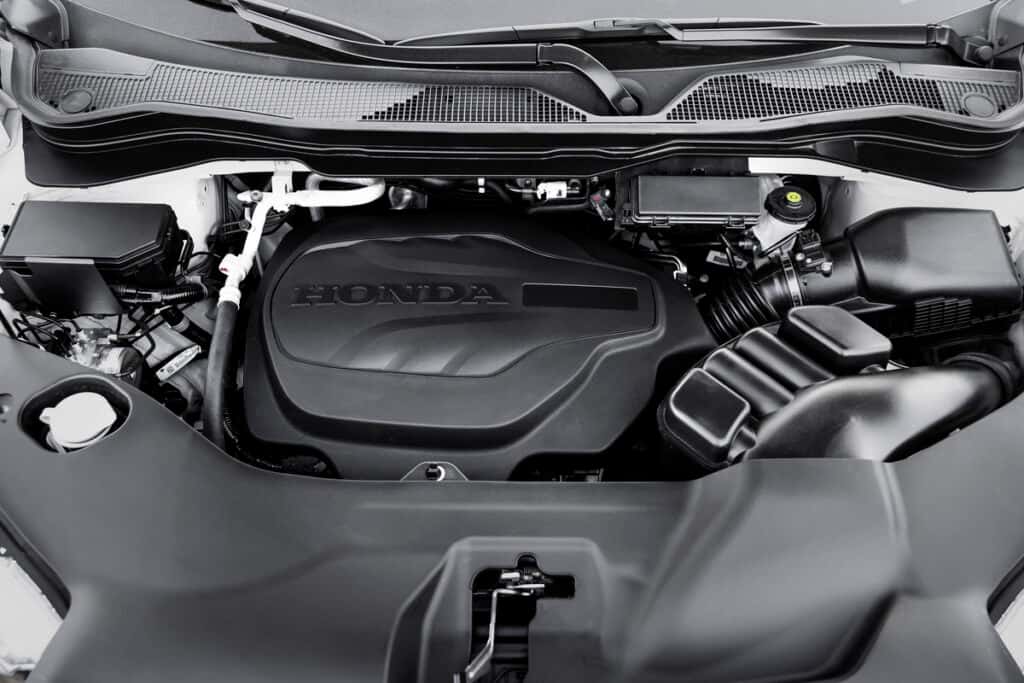
Your engine faces increased risks of overheating when the cooling system isn’t fully maintained. Engine oil and coolant evaporate more quickly, reducing their effectiveness in heat transfer and lubrication. This can cause friction and wear on engine parts, potentially leading to breakdowns.
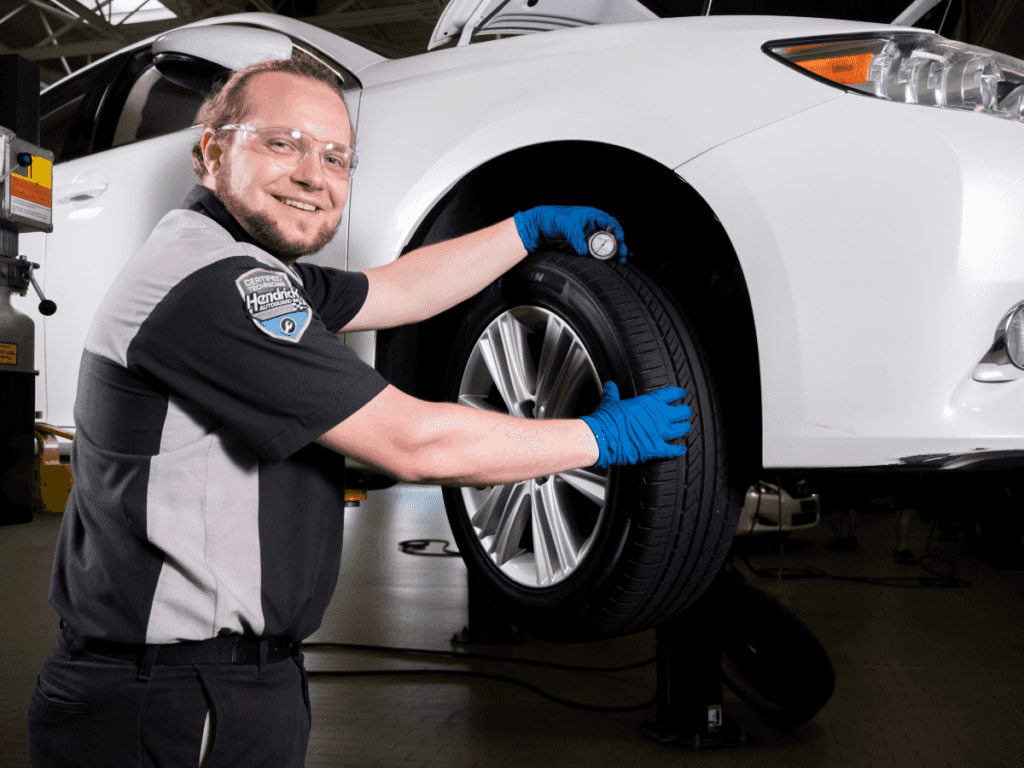
Tires also react to heat by increasing internal pressure. Overinflated tires risk blowouts and uneven tread wear, which compromises your vehicle’s handling and safety. Regularly checking tire pressure, especially during heat waves, is crucial.
The battery’s lifespan can shorten as heat causes electrolyte evaporation and corrosion at terminals. Coupled with the higher accessory load from air conditioning, battery failure becomes more common in summer.
Inside the vehicle, heat and UV rays can damage dashboards, steering wheels, and seats, causing them to fade, crack, or warp. Electronics may malfunction due to excessive temperatures. Keeping your car shaded or using sunshades can reduce these issues.
For a reliable vehicle, keeping up with maintenance and understanding heat’s impact will help you avoid surprise breakdowns.
Proper Transmission Fluid Check Timing
Checking your transmission fluid correctly is key to maintaining smooth gear shifts and preventing transmission damage, especially in hot climates like Fort Mill and Rock Hill.
To get an accurate fluid level reading, your car should be warmed up so the transmission fluid reaches its normal operating temperature. Drive your car for about 10 miles or let it idle for 5 to 10 minutes. This circulates the fluid through the torque converter and transmission passages.
Once warm, park your vehicle on a level surface, shift through all the gears (Park, Reverse, Neutral, Drive), pausing for a few seconds in each to ensure fluid circulation. Then return to Park or Neutral and keep the engine running while you check the fluid level with the dipstick.
Honda models have some unique recommendations. For many Hondas, the engine should be turned off for about 30-60 seconds before checking transmission fluid, so always consult your owner’s manual for model-specific instructions.
Protecting Your Car During Summer
Keeping your car healthy through the hottest months in Indian Land, Waxhaw, and Belmont involves more than just parking in the shade. Here are some effective strategies:
- Park in the Shade: Whenever possible, find shade under trees, parking garages, or buildings. This not only protects your paint but also keeps the interior cooler.
- Use Sunshades and Window Tinting: A windshield sunshade and tinted windows reduce UV exposure and heat buildup inside your car.
- Apply Wax Regularly: A good wax layer blocks UV rays and helps preserve your car’s paint finish.
- Test and Maintain Your Battery: Heat accelerates battery wear. Have it tested regularly and replaced if necessary.
- Check Coolant and Fluids: Maintain proper coolant levels and inspect other fluids such as brake and power steering fluids. Fresh, clean fluids help your engine and transmission operate efficiently under heat stress.
- Inspect Tires: Check tire pressure and tread condition regularly. Replace tires worn below 4/32” tread depth for safe handling.
Protecting your vehicle inside and out ensures comfort and reliability on your drives through Matthews or Weddington.
How to Prevent Your Car from Overheating
Preventative maintenance is your best defense against overheating during hot North Carolina summers. Here’s what to keep an eye on:
- Coolant System Maintenance: Regularly check coolant levels and the condition of hoses, thermostat, and radiator. Replace coolant every 5 years or 100,000 miles to maintain optimal heat transfer.
- Inspect Water Pump and Belts: A faulty water pump or worn belts can disrupt coolant circulation, leading to rapid overheating.
- Watch the Temperature Gauge: If the gauge starts climbing toward “hot,” pull over safely and turn off the engine to prevent damage.
- Turn Off A/C and Use Heater Temporarily: Running the heater helps pull heat away from the engine when overheating occurs.
- Schedule Regular Engine Oil Changes: Fresh oil reduces friction and heat buildup inside the engine.
If you suspect overheating or need a coolant flush, our Hendrick Honda Service Department is here to support your journey. Schedule your service appointment anytime online.
Protecting Your Car’s Paint from Heat
Charlotte’s strong sun can wreak havoc on your car’s finish, but with the right care, you can keep it looking vibrant for years.
- Frequent Washing: Dirt and dust can cause micro-scratches that accelerate paint dulling. Washing your car regularly removes these harmful particles.
- Wax Application: Wax acts as a protective barrier against UV rays and environmental contaminants. Plan to wax your car at least twice a year or more frequently if parked outdoors often.
- Use Quality Products: Use microfiber cloths to avoid scratches and apply low-gloss detailing sprays for extra protection and reduced glare.
- Car Covers: For those without garage access, a breathable, UV-resistant car cover shields your vehicle from direct sun and debris.
Visit Hendrick Honda’s Honda Parts Center for trusted products that safeguard your vehicle’s exterior.
Keeping Your Car Cool When Parked
Nobody wants to return to a scorching hot car after errands in Fort Mill or Rock Hill. Here’s how to reduce the heat buildup inside your parked vehicle:
- Strategic Parking: Aim to park in shaded spots or garages. If you arrive at work in the morning, consider parking where afternoon shade will be available for your return.
- Use Sunshades and Window Visors: These simple accessories block direct sunlight, vastly reducing interior temperature rise.
- Crack Windows Slightly: Opening windows just a few inches allows hot air to escape but be mindful of safety and security.
- Steering Wheel and Seat Covers: Protect leather seats and steering wheels from heat damage and make them comfortable to touch.
- Consider Solar-Powered Fans: These clip onto cracked windows and circulate air inside your car using sunlight, enhancing ventilation.
- Keep a Spray Bottle: A quick spritz on hot surfaces inside the car evaporates quickly and cools them down.
These practical tips make summer driving more comfortable.
Trade-In and Service Resources at Hendrick Honda
Whether you’re ready for an upgrade or need routine maintenance, Hendrick Honda is proud to serve Charlotte and surrounding cities with reliable vehicles and expert care.
- Discover your car’s worth today by using our Trade Value Tool.
- Explore our extensive selection of dependable vehicles in our New Honda Inventory or browse pre-loved options in our Used Vehicle Inventory.
- For maintenance, our certified technicians provide high-quality service and genuine parts through the Honda Service Center.
- Take advantage of our special programs such as the College Grad and Military Appreciation program.
By following these detailed recommendations and partnering with Hendrick Honda, you can ensure that your vehicle thrives even during the hottest days in Charlotte and beyond. We are here for you every step of the way, ready to support your journey with quality vehicles and expert service.
0 comment(s) so far on Caring for Your Car in Hot Weather: Expert Tips from Hendrick Honda